
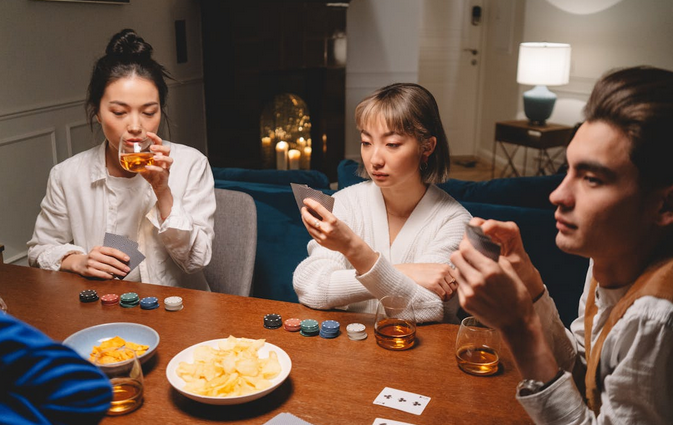
Hosting a game tournament at home does not require a large budget or elaborate setup. A low-key event can be just as enjoyable as a big production. The goal is simple. Create a relaxed space where friends can compete, laugh, and connect. Planning matters, but it doesn’t have to feel overwhelming. With a few thoughtful steps, you can organize a smooth and memorable gathering. Understanding how to host a low-key game tournament at home helps you focus on fun rather than stress.
Choosing the Right Game
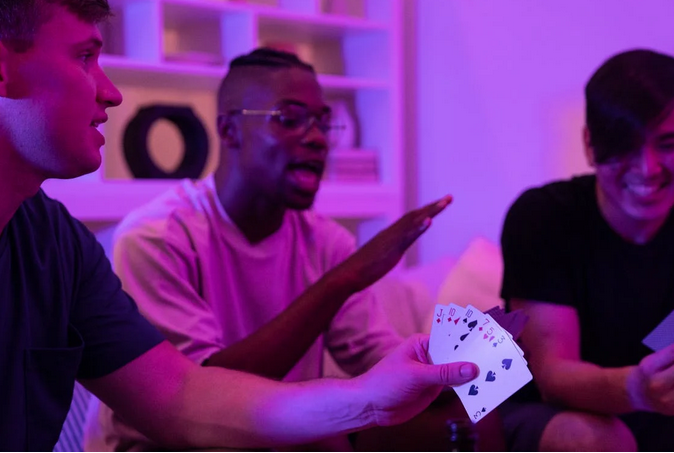
The first decision shapes the entire event. Select a game that matches your group’s interests and skill levels. Competitive video games, board games, or card games all work well. Keep the rules straightforward. Complex mechanics slow the pace and discourage casual players. A familiar game reduces explanation time and builds confidence. Consider group size. Some games allow quick rotations. Others require elimination rounds. Pick a format that keeps everyone involved. The right choice sets the tone for the tournament.
Setting a Simple Format
Structure prevents confusion. Decide whether the tournament will follow single elimination, round robin, or point-based scoring. Single elimination works well for small groups. Round robin ensures everyone plays multiple rounds. Point systems reward consistency. Write down the structure clearly. This ensures fairness and keeps disputes minimal. A clear format keeps the event moving smoothly without unnecessary interruptions.
Preparing the Space
Comfort influences the overall experience. Arrange seating so players and spectators can see clearly. Ensure adequate lighting. If using consoles, test the equipment beforehand. Check controllers, cables, and internet connections. For board games, organize components neatly. Keep the layout uncluttered. Easy movement between rounds maintains flow. A well-prepared environment supports focus and enjoyment.
Establishing Basic Ground Rules

Friendly competition still benefits from guidelines. Set expectations about sportsmanship and time limits. Encourage respectful behavior. Remind players that the goal is enjoyment, not intense rivalry. Clarify how ties will be resolved. Decide in advance how disputes will be handled. Simple rules ensure fairness and prevent misunderstandings.
Creating a Relaxed Atmosphere
A low-key tournament thrives on comfort. Background music at moderate volume adds energy without distraction. Offer light snacks and drinks. Keep options simple to avoid excessive preparation. Finger foods minimize interruptions during play. Decorations are optional but can add personality. Small themed touches make the event feel more intentional. The atmosphere should feel welcoming rather than formal.
Organizing a Clear Schedule
Time management prevents fatigue. Estimate how long each round will take. Build short breaks between matches. Communicate the schedule to guests early. This helps them plan and reduces uncertainty. Avoid overloading the evening with too many rounds. Fewer matches often lead to better engagement. Pacing ensures players remain energized until the final round.
Offering Small Prizes

Prizes do not need to be expensive. A modest reward adds motivation and excitement. Consider gift cards, small trophies, or playful awards. You might also create humorous titles for different achievements. Recognition matters more than monetary value. Celebrating participation encourages positive competition. Simple rewards make the tournament feel complete.
Encouraging Inclusivity
Not every guest may want to compete intensely. Create space for spectators to feel included. Allow casual side matches. Rotate players regularly to avoid long waiting times. Encourage cheering and friendly commentary. This builds group energy and connection. Inclusivity ensures everyone enjoys the experience, regardless of skill level.
Wrapping Up the Event Smoothly
When the tournament concludes, acknowledge all participants. Announce winners clearly and distribute prizes promptly. Thank guests for attending. Invite feedback for future gatherings. Clean up gradually rather than all at once. Light conversation after the final match helps the event wind down naturally. A thoughtful ending leaves guests with positive impressions.
Hosting a low-key game tournament at home does not require elaborate planning. Choosing the right game, setting a simple format, and preparing the space create a strong foundation. Establishing clear ground rules ensures fairness. A relaxed atmosphere keeps energy positive. Organized scheduling prevents burnout. Small prizes add motivation. Inclusive participation strengthens group connection. Focus on enjoyment rather than perfection. Simplicity often creates the most memorable experiences. A home tournament provides an opportunity to combine competition with camaraderie. With thoughtful preparation and balanced pacing, you can create an engaging event without stress.
Comments are closed, but trackbacks and pingbacks are open.